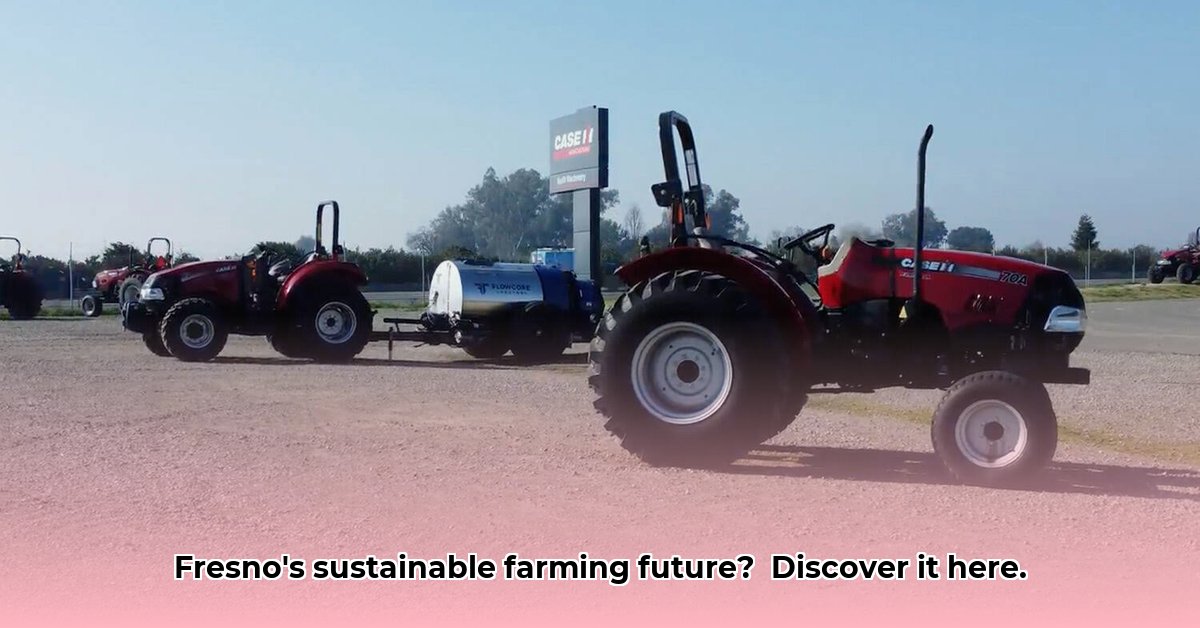
Fresno's Central Valley, a cornerstone of American agriculture, is undergoing a vital transformation towards sustainable farming practices. This shift demands innovative agricultural equipment, prompting crucial questions for farmers, suppliers, and policymakers alike. This guide explores the Fresno agricultural equipment market, specifically focusing on sustainable options and providing actionable advice for navigating this evolving landscape. We delve into key players, offer practical steps for success, address existing challenges, and envision a sustainable future for Fresno's agricultural sector. For additional resources, check out this other helpful site: Medina Tractor.
Sustainable Ag Equipment in Fresno: A Market Overview
The demand for sustainable agricultural equipment in Fresno is rapidly increasing. Farmers are prioritizing environmentally friendly methods, from efficient water usage to minimizing their carbon footprint. This transition creates a burgeoning market for equipment designed for sustainability, although access to comprehensive information about these technologies remains a challenge. While companies like Fresno Tractor and other local suppliers offer various machinery, detailed information on their environmental impact is often limited. This lack of transparency hinders informed decision-making by farmers. The market’s increasing trend toward personalized solutions—tailoring equipment to individual farm needs—presents both an opportunity and a challenge for increased efficiency and environmental consciousness. How can farmers effectively navigate this shifting landscape to find suitable equipment that aligns with their sustainability goals?
Key Players and Their Contributions
Fresno Tractor and Fresno Equipment Company are prominent players in the Fresno agricultural equipment market. Both emphasize customer service and offer generally competitive pricing, often featuring departments dedicated to "precision agriculture." However, the term "sustainable" is inconsistently defined across the industry, leading to a lack of clarity regarding the equipment’s environmental impact. While some suppliers may focus on fuel efficiency, others may highlight water-saving technologies. This lack of standardization makes it difficult for farmers to compare options and make informed choices. The need for increased transparency in defining and quantifying sustainability metrics from equipment suppliers is pivotal in building trust and fostering a truly sustainable agricultural sector.
Actionable Steps for Stakeholders
This section offers practical guidance for farmers, equipment providers, and policymakers:
For Farmers:
Conduct Thorough Research: Before investing, thoroughly research available equipment. Compare models focusing on fuel efficiency, water usage, and equipment lifespan to minimize environmental impact. Utilize online resources and consult with agricultural experts.
Explore Rental Options: Consider renting equipment to test its suitability before purchasing. This reduces financial risk and allows for a hands-on evaluation of its effectiveness.
Negotiate Effectively: Do not hesitate to negotiate prices with suppliers. This is particularly relevant for larger purchases or long-term contracts.
Investigate Funding Opportunities: Actively research government grants and incentives specifically designed to support the adoption of sustainable agricultural practices. These programs can significantly lower the financial barrier to entry for sustainable equipment.
For Equipment Providers (e.g., Fresno Tractor):
Enhance Online Transparency: Clearly showcase the sustainability features of your equipment online. Provide quantifiable data on fuel efficiency, water usage, and noise reduction, using accessible language and avoiding technical jargon.
Conduct Market Research: Regularly engage with farmers through surveys and feedback sessions. This allows you to adapt product offerings and services to meet their specific needs and preferences.
Expand Service Offerings: Consider expanding your services beyond equipment sales. Offer consultations on sustainable practices, such as water management and soil health strategies.
For Government and Regulatory Bodies:
Standardize Sustainability Metrics: Implement industry-wide standards for reporting the environmental impact of agricultural equipment. This ensures data consistency and facilitates informed decision-making.
Create Incentive Programs: Implement subsidies and tax incentives to drive the adoption of sustainable agricultural technologies. This financial support can significantly encourage farmers to invest in eco-friendly equipment.
Addressing Risks and Challenges
Several challenges hinder the widespread adoption of sustainable agricultural equipment:
High Initial Costs: The upfront investment in sustainable equipment can strain farm budgets. Mitigation strategies include exploring financing options, leasing agreements, and government subsidies.
Data Management Complexity: Managing and interpreting data from precision agriculture technologies requires expertise and resources. Utilizing data management software and seeking expert assistance are crucial for effective data analysis and informed decision-making.
Technological Advancements: Rapid technological changes can cause equipment obsolescence. Carefully evaluating equipment lifespan and upgrade potential before purchase is essential.
Uncertainty in Regulations: Changing environmental regulations can impact financial incentives and create compliance complexities. Staying abreast of regulatory updates and engaging with policymakers is crucial to effective long-term planning.
Future Outlook and Considerations
The Fresno agricultural equipment market holds substantial potential for growth in sustainable technologies. This growth depends on increased transparency concerning equipment’s environmental impact and stronger collaboration among all stakeholders. More comprehensive data will enable better decision-making, and further research into innovative sustainable agricultural technologies is crucial for the long-term health and prosperity of Fresno’s agricultural landscape. Only through open communication and shared commitment can we fully realize the potential of sustainable agriculture in Fresno.